27 Jun 2026
Weerpatronen en hun invloed op live betting activiteit in grote outdoor evenementen van de Major League
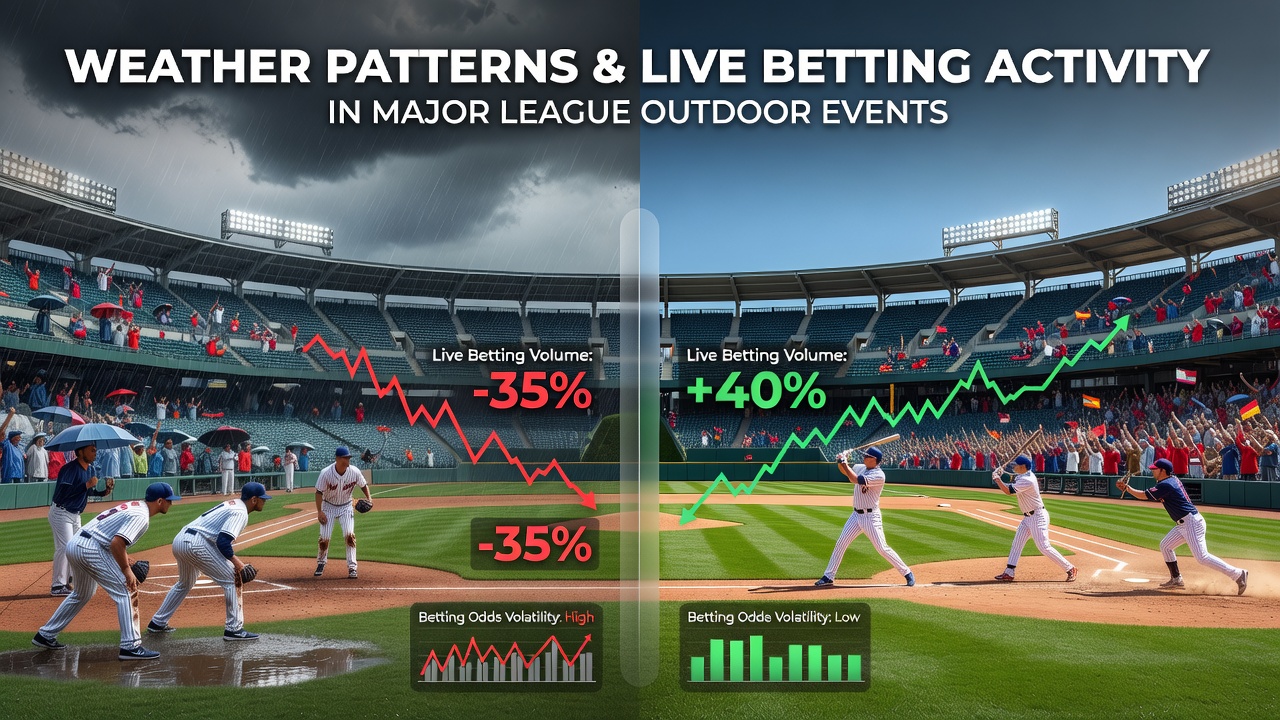
Weather patterns shape live betting markets in major league outdoor events through measurable shifts in game conditions, player performance metrics and betting volumes, while data from sources such as the National Oceanic and Atmospheric Administration show consistent correlations between atmospheric variables and adjusted odds during matches. Researchers track these interactions across baseball, American football and other outdoor leagues where environmental factors alter trajectories, speeds and decision windows for bettors who respond in real time.
Meetbare effecten van temperatuur en vochtigheid op weddenschapsmarkten
High temperatures above 30 degrees Celsius correlate with reduced pitching velocity in Major League Baseball games according to performance databases maintained by league statisticians, and live betting platforms register corresponding increases in under bets on total runs during afternoon contests in summer months. Humidity levels above 70 percent extend ball flight distances in certain stadiums yet simultaneously raise player fatigue rates, prompting oddsmakers to recalibrate player prop lines within minutes of updated forecasts. Observers note that these adjustments occur faster in markets tied to June 2026 schedules when heat advisories coincide with doubleheaders across multiple divisions.
Windrichting en neerslag als directe triggers voor odds aanpassingen
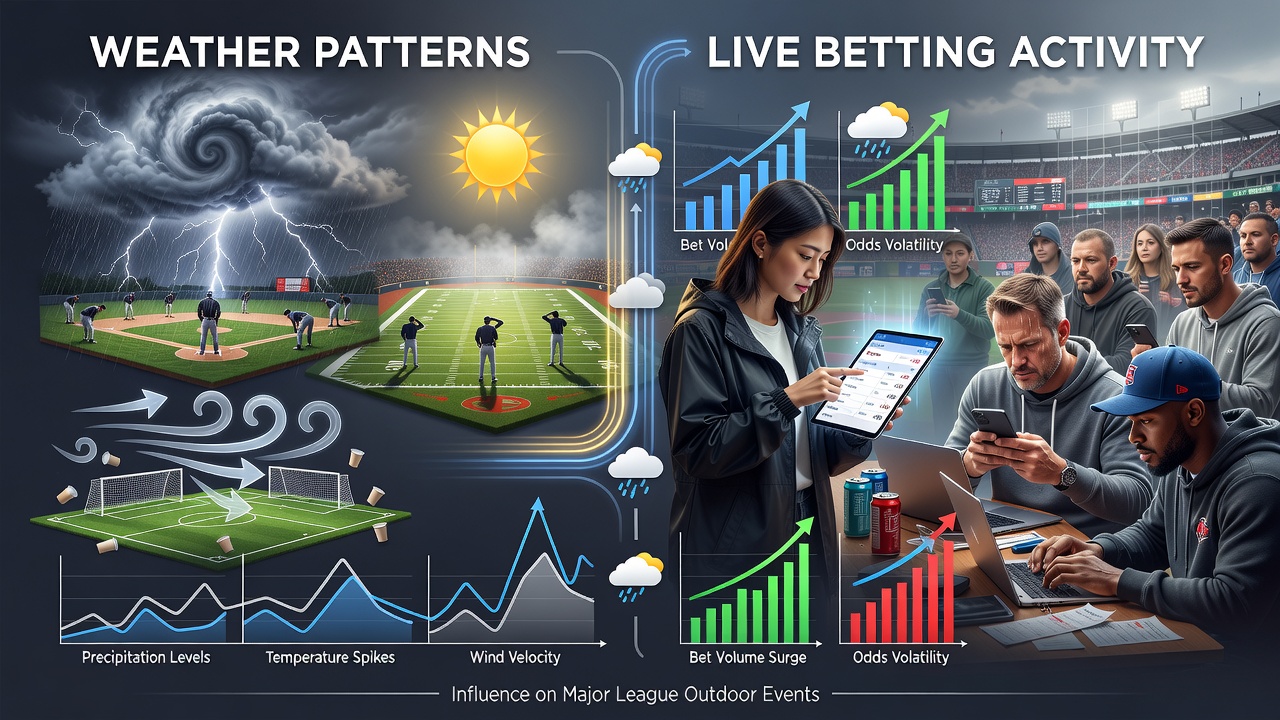
Strong crosswinds exceeding 25 kilometers per hour alter football trajectory paths during field goal attempts in outdoor NFL venues, leading to documented spikes in live betting on missed kicks once anemometer readings reach betting desks. Rain delays force suspension protocols that halt live markets temporarily before reopening with modified totals, and European Centre for Medium-Range Weather Forecasts models supply the atmospheric data feeds used by several international analytics firms to predict resumption windows. Bettors who monitor these feeds often see rapid volume surges on alternate lines once play resumes under altered conditions.
Regionale variaties in live betting responsen tijdens zomerseizoenen
Coastal stadiums experience marine layer influences that lower effective temperatures and change ball carry distances, while inland venues contend with dry heat and gust patterns that accelerate play clocks. Data sets compiled from 2025 through projected 2026 seasons reveal higher live betting turnover in markets covering extra innings or overtime periods when evening thunderstorms approach, because lightning protocols extend game durations and create additional wagering intervals. Analysts compile these patterns using stadium-specific sensors that feed into both weather services and betting risk engines simultaneously.
Technologische integratie van weergegevens in realtime odds systemen
Betting operators integrate satellite and ground station feeds to update live odds within 30-second cycles when precipitation rates exceed 2 millimeters per hour or wind gusts surpass defined thresholds, and this automation reduces manual intervention while increasing market stability during volatile periods. Studies conducted by university meteorology departments demonstrate that such integrations lower discrepancy rates between pre-match and in-play lines by measurable percentages across tested outdoor venues. Those who examine the resulting data streams find clear linkages between forecast accuracy improvements and tighter spreads offered to bettors during critical game moments.
Conclusie
Weather patterns produce quantifiable effects on live betting activity in major league outdoor events through documented changes in physical conditions, market volumes and odds recalibrations that rely on integrated meteorological data sources. Continued refinement of sensor networks and forecasting models supports ongoing alignment between atmospheric events and wagering platforms across seasons including the period around June 2026.